



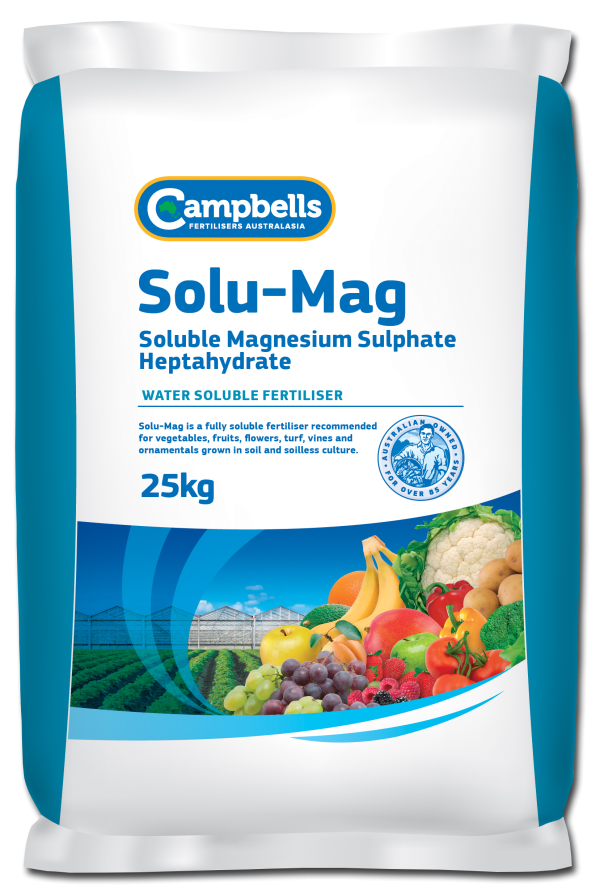
Magnesium sulfate (Epsom salt) acts as a natural soil amendment to fix magnesium or sulfur deficiencies, promoting greener foliage, increased photosynthesis, and better nutrient uptake, particularly for tomatoes, peppers, roses, and citrus. Apply 1 tbsp per gallon of water as a drench or spray, or sparingly sprinkle granules around the base of plants in spring.
Key Benefits & Uses for Plants
- Boosts Chlorophyll: Essential for photosynthesis, treating yellowing leaves (chlorosis) where veins remain green.
- Improves Growth & Yield: Enhances seed germination, strengthens cell walls, and increases fruit sweetness and size in vegetables like tomatoes and peppers.
- Ideal for Specific Plants: Highly beneficial for magnesium-loving plants: roses, tomatoes, citrus, peppers, and azaleas.
- Application Methods:
- Foliar Spray: 1 tablespoon per gallon of water, applied to leaves monthly.
- Soil Drench: 1-2 tablespoons per gallon of water for watering plants.
- Direct Application: 1 tablespoon sprinkled around the base of plants, then watered in.
Safety and Precautions:
- Avoid Overuse: Excessive application can lead to salt buildup in the soil and inhibit calcium uptake, causing foliage to scorch.
- Test Soil First: It is most effective when soil is truly magnesium-deficient; overuse is inefficient and can harm plants.
- Not a Fertilizer: Epsom salt should not replace standard nitrogen, phosphorus, and potassium fertilizers, but rather complement them.
- Sensitive Plants: Avoid using on plants that prefer very low-nutrient environments, such as certain carnivorous plants.