


February on the Sunshine Coast is a true crossover month still hot, humid and storm-prone, but with subtle signs that autumn isn’t far away. Gardens, lawns, pets and backyard animals all start to show signs of summer fatigue, and this is often when small problems turn into bigger ones if they’re ignored.
This article is all about practical, seasonal solutions using products you can get locally, right now.
By February, most Sunshine Coast gardens have been through months of heat, heavy rain and high humidity. Even well-established plants can start to struggle if soil health has been neglected.
Common signs of summer stress include:
A simple refresh now can make a huge difference.
If you want to go deeper on mulching including the different types, how quickly they break down, and which mulch works best for Sunshine Coast conditions we’ve put together a detailed guide that explains it all in plain language.
Our article covers:
You can read the full guide here: https://www.caloundraproduce.com.au/mulching-in-hot-dry-weather-protect-your-garden-the-smart-way/
Applying a fresh layer of mulch helps regulate soil temperature, retain moisture and suppress weeds all critical as we head towards autumn. Popular options include:
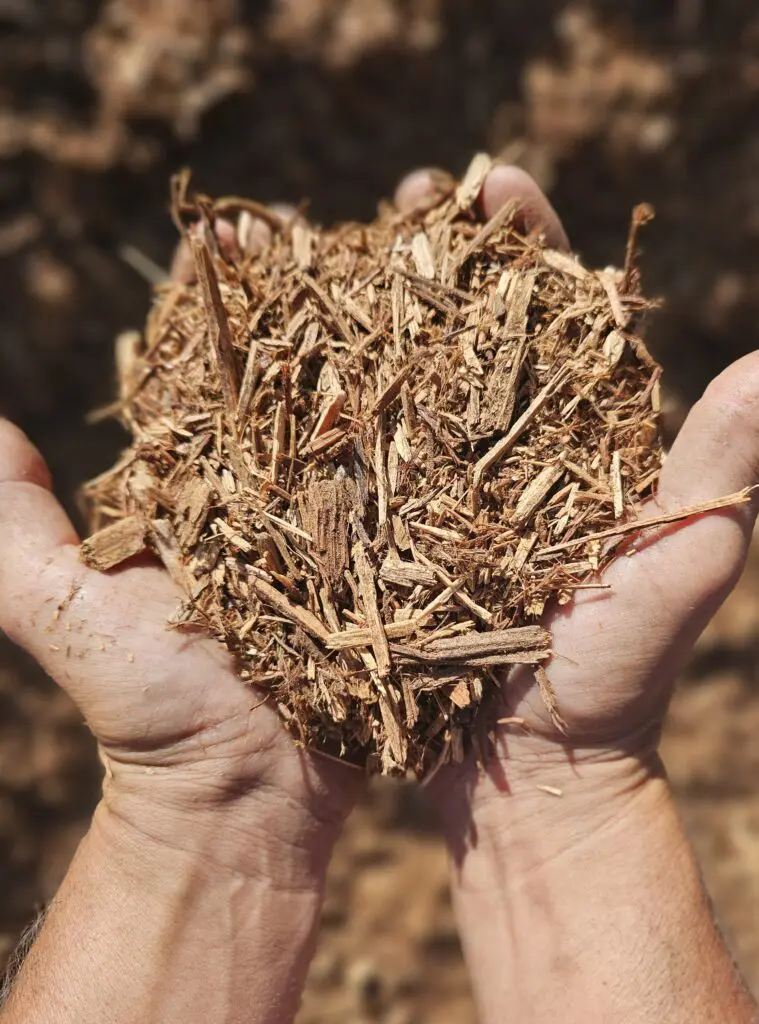
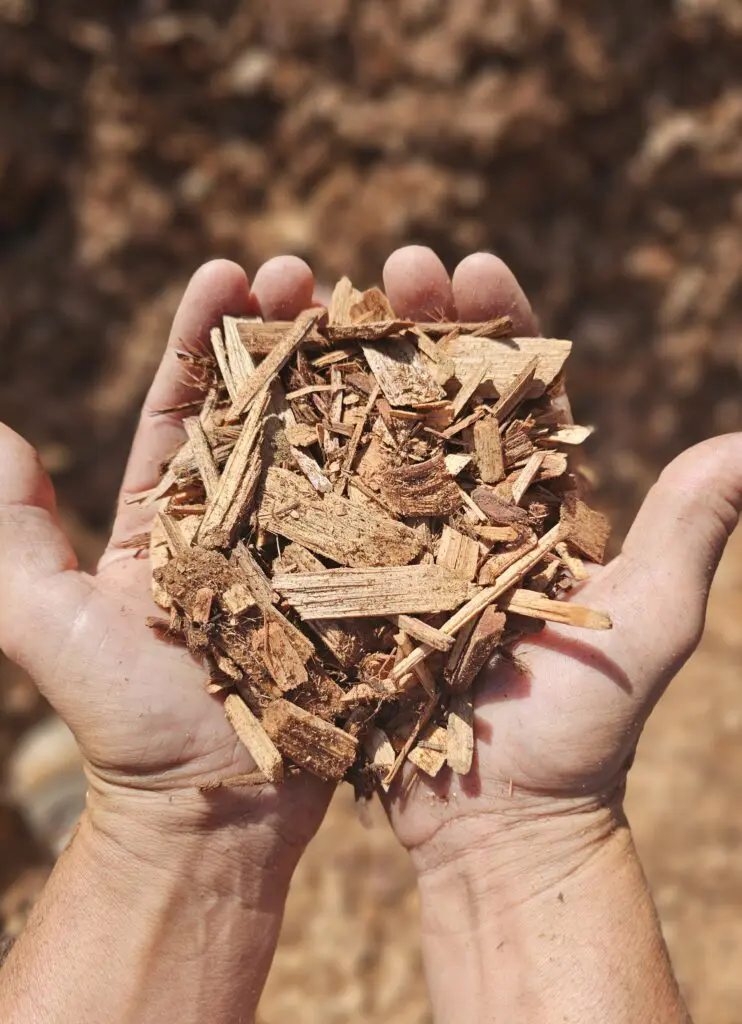
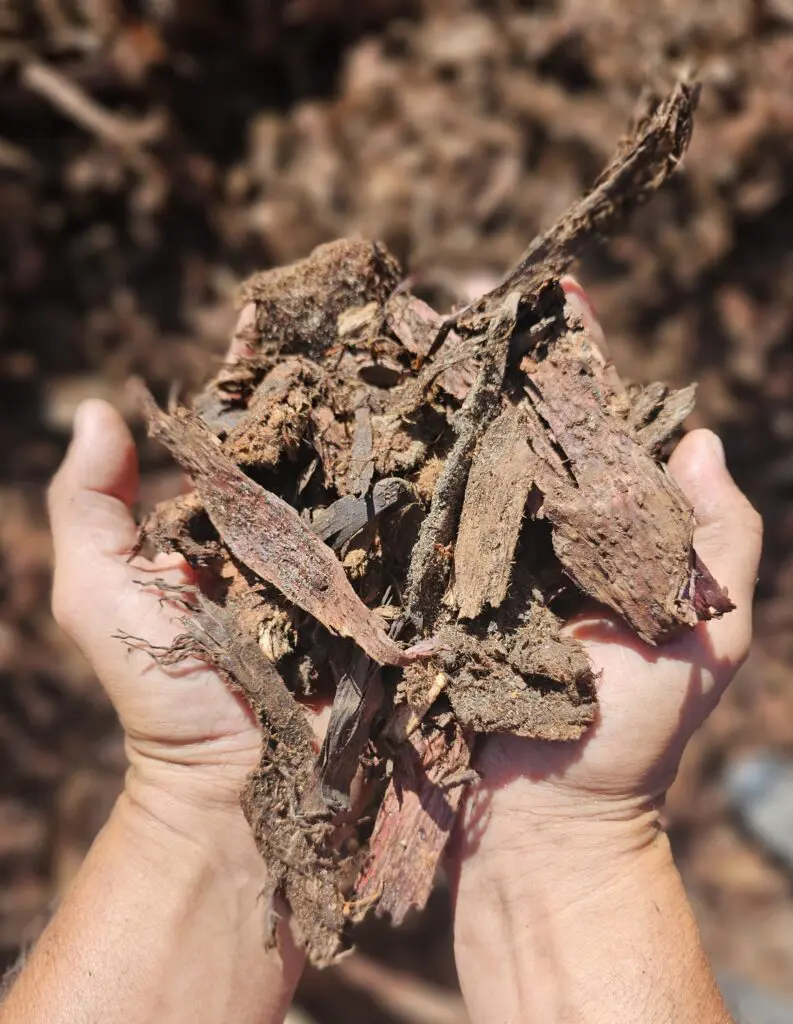
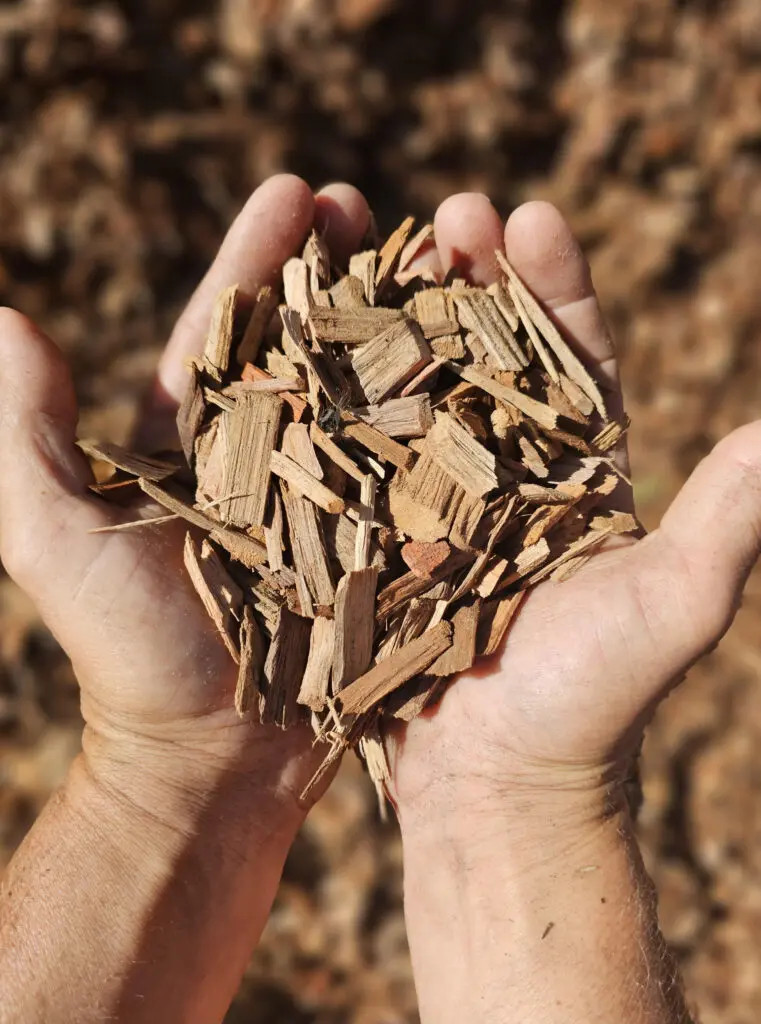
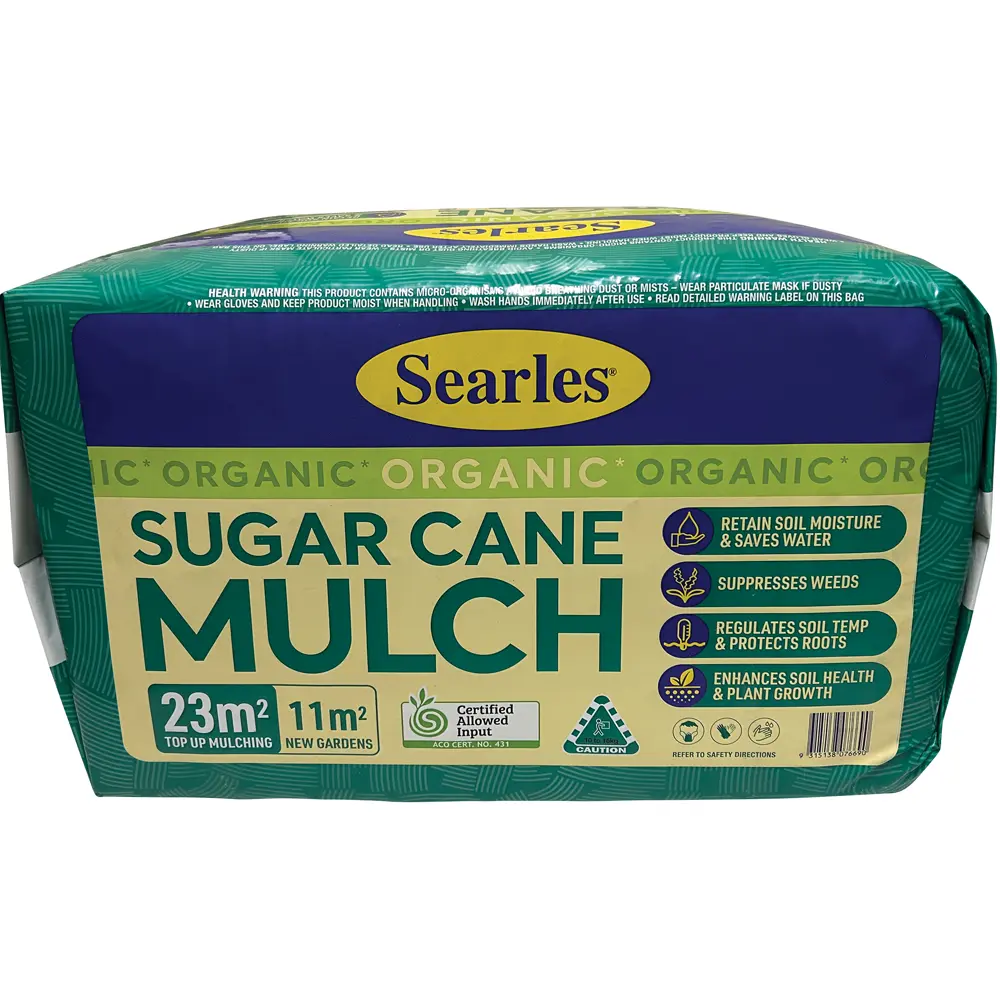
To rebuild tired soil, adding organic fertilisers and soil conditioners helps restore nutrients and microbial activity that plants rely on. Mushroom compost, blended garden soils and soil improvers are especially useful at this time of year.
February is not the time to start again with your lawn it’s the time to repair damage, strengthen roots and protect against pests while the grass is still actively growing.
Typical lawn issues in late summer include:
One of the biggest lawn problems we see in February on the Sunshine Coast is lawn grubs, army worms and beetles. These pests feed on grass roots and blades, often causing sudden browning, dead patches or birds tearing up the lawn looking for food.
Recommended lawn care steps for February include:
If you’re unsure what’s attacking your lawn, we’ve already put together a detailed guide explaining how to identify and treat these pests effectively. You can read it here:
https://www.caloundraproduce.com.au/lawn-grubs-army-worms-beetles/
Catching lawn pests early can save you from costly repairs later in the season.
February is a great time to prepare veggie gardens for the cooler growing months ahead. The key focus now should be soil health and protection.
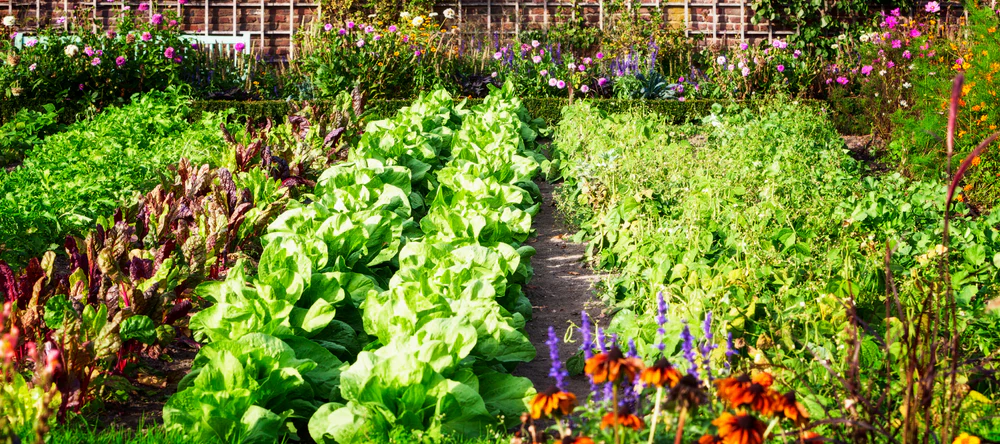
This is the ideal time to:
Products like organic garden soils, compost blends and Sugar Cane Mulch help create the right foundation for autumn planting. Adding natural pest control products now can also reduce issues as seedlings go in.

The Sunshine Coast’s warm, humid conditions make February one of the busiest months for fleas and ticks. Pets can also struggle with heat stress and dehydration during this time of year.
Common pet issues we see in February include:
Having the right products on hand makes a big difference. February is a good time to stock up on:
Taking preventative steps now helps avoid bigger problems later.
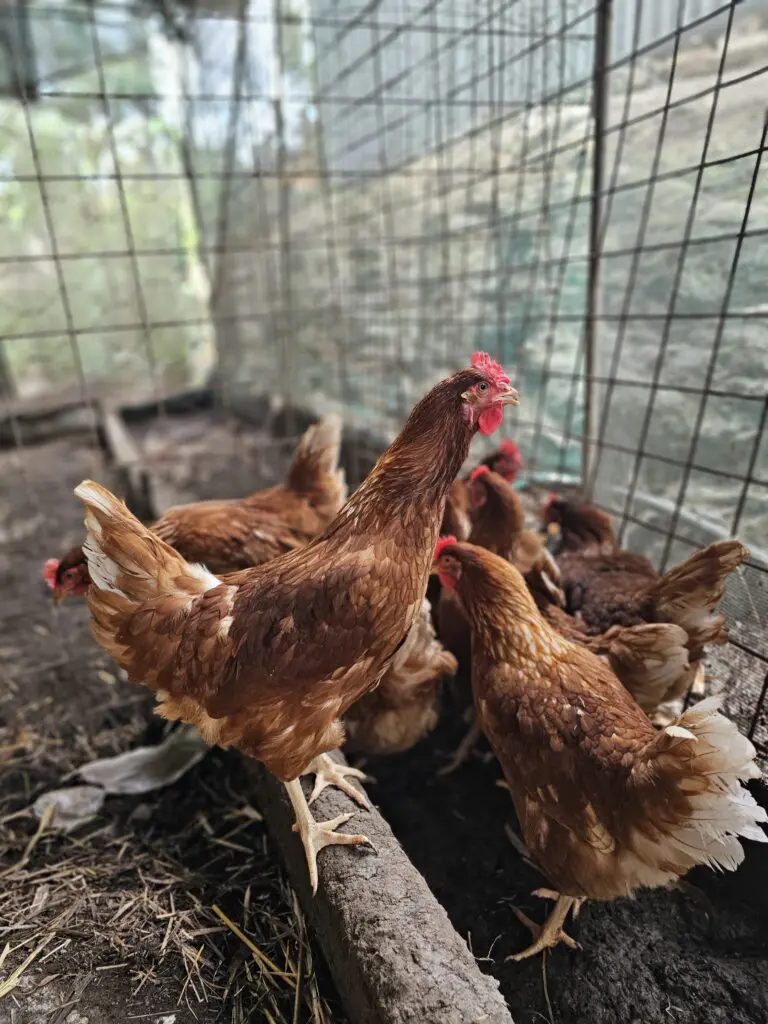
Heat and humidity can really impact backyard chickens and birds, especially during late summer.
At this time of year, we’re seeing strong demand for Point of Lay Chickens, and we currently have Point of Lay hens available in store that are already laying perfect if you’re looking to boost egg production quickly.
February essentials for chooks and backyard animals include:
Well-fed, well-supported animals cope far better with seasonal changes and temperature swings.
Shop All Chicken products here
February is the month to prepare, not panic.
Refreshing mulch, strengthening lawns, tackling pests early, improving soil health, restocking pet essentials and caring for backyard animals now will save you time and effort as autumn arrives.
If you’re not sure which products are best suited to your garden, lawn, pets or animals, our team is always happy to help with advice tailored to Sunshine Coast conditions.
Visit us in-store or shop online to get set for the season ahead.
Locally owned. Locally stocked. Sunshine Coast tested.